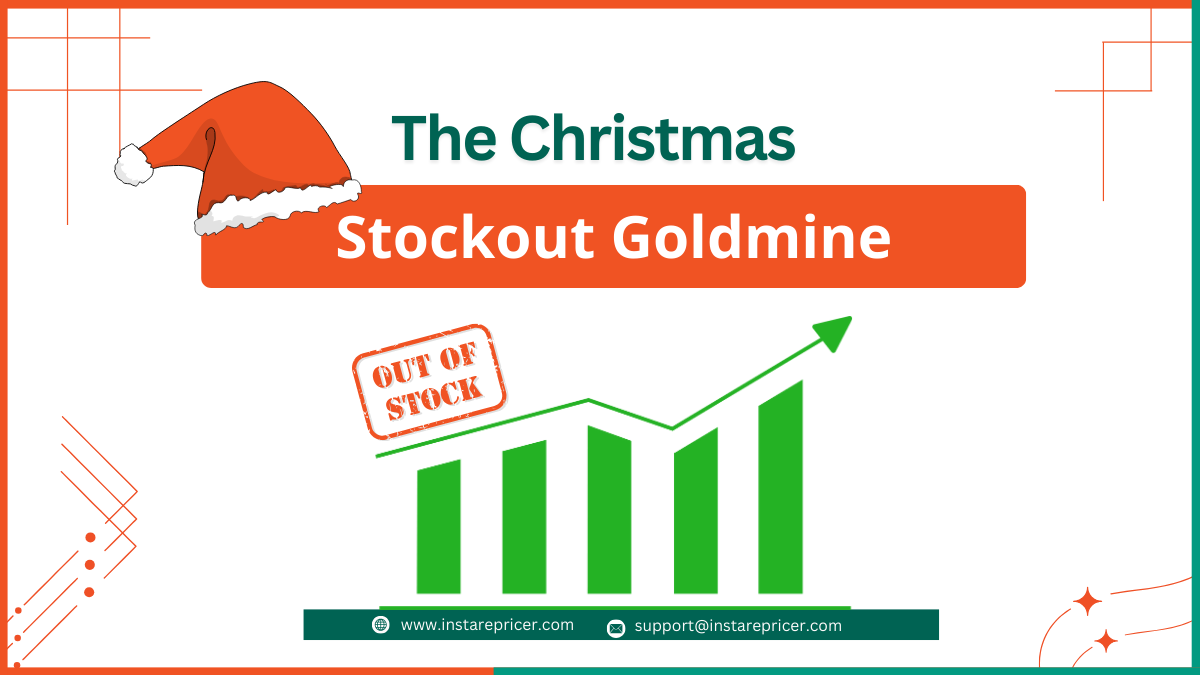
Introduction: The Christmas Stockout Goldmine
The Christmas shopping season is a battlefield. As demand peaks, competitors face stockouts those frustrating moments when their products run out of inventory and the Buy Box is left unclaimed.
But for you, the seller who has stock to sell, this is your golden opportunity to increase prices and capitalize on the shortage.
Now It’s a Christmas stockout goldmine, but only if you know how to use it wisely.
In this article, we will explore how to raise your prices safely during Christmas stockouts and maximize your profit without losing the Buy Box.
The Power of Christmas Stockouts: Why Missing Stock Means Big Opportunity for You
Stockouts during Christmas are inevitable and they are the perfect moment for you to adjust your pricing strategy.
When your competitors run out of stock, the Buy Box is suddenly in play. The rules for winning the Buy Box change when no one else is around to compete on price. Sellers who are fully stocked have a chance to take advantage of this scenario, but only if they do it smartly.
Why Stockouts Create Opportunity:
- Less Competition – With competitors out of stock, you’re the only seller with inventory.
- Increased Demand – Christmas demand peaks, and shoppers want their gifts on time.
- Buy Box Shift – As Amazon sees that your product is the only one available, you get an immediate boost in visibility.
The Trick:
- You can raise prices to take advantage of the increased demand, but do it cautiously to avoid losing the Buy Box due to price instability.
The Psychology of Stockout Pricing: Don’t Be Too Greedy
Here’s the danger: raising prices too much too quickly can backfire. You risk upsetting buyers and losing the Buy Box to another seller who enters the game with a more reasonable price.
So how do you increase prices effectively without driving customers away?
1. Gradual Price Increase
A slow, controlled increase in price starting with a small increment gives you the flexibility to monitor its effect on sales velocity and Buy Box status.
- Start with a 5–10% increase from the previous price.
- Monitor the sales velocity.
- If demand is still strong and your product is still in the Buy Box, consider increasing further.
2. Transparency with Stock
Customers expect to pay a little more when an item is scarce or urgently needed. Highlight the urgency and scarcity by adding “Limited stock” or “Order now for Christmas delivery” to your listings. This psychological trigger can justify a higher price.
When Is the Right Time to Raise Prices?
Timing is everything. To make the most of Christmas stockouts, you need to act fast but also strategically.
When to Raise Prices:
- When Stockout is Announced – If you notice that a major competitor is about to run out of stock, raise your price before the gap widens.
- During High Traffic Hours – Target price adjustments during peak shopping times (morning hours, weekend spikes, etc.) when demand is at its highest.
- When Sales Velocity Is High – If your product is selling quickly, use this as a cue to increase your price safely.
How to Raise Prices Without Losing the Buy Box: A Smart Approach
To safely raise your prices without triggering a loss in the Buy Box, follow these key rules:
1. Use Smart Repricing Tools
Automated repricers can adjust your prices based on your competitors’ stock levels, demand, and sales velocity. Set up rules that increase prices slowly based on competitor stockouts.
- Floor prices: Set your floor prices to prevent prices from going too low.
- Ceiling prices: Limit your price increases to ensure you remain competitive.
2. Protect Your Margin
As you raise your price, be sure you still have enough margin to cover fees and the expected cost of shipping during high-demand periods. Even with stockouts, you don’t want to price yourself out of competitiveness.
3. Monitor Competitor Stock Levels
You need to monitor competitor inventory levels in real time. Instant repricing tools can track when competitors run out of stock and automatically adjust your prices accordingly, so you’re always in control.
How Christmas Stockouts Affect Sales Flow and Pricing Opportunities
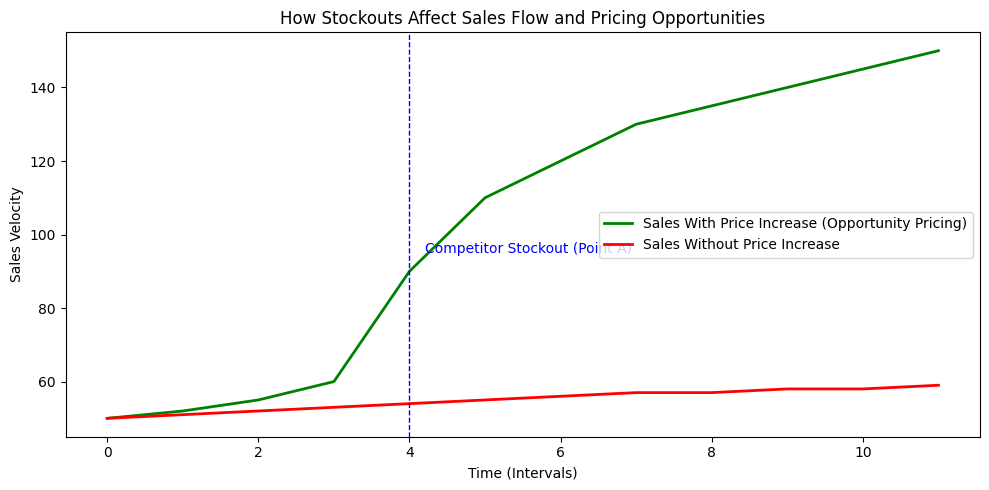
In the graph below, you can see how competitor stockouts lead to a sharp increase in price while still maintaining sales velocity. The green line shows your sales after you raise prices during a competitor stockout, while the red line shows the impact of leaving prices unchanged.
The key takeaway: Raise your price at the right time and you’ll capture increased demand without losing control over your sales flow.
How to Leverage Stockouts for Maximum Profit
1. Don’t Wait Too Long
Stockouts happen quickly, so you need to act fast. Once your competitor runs out of stock, don’t hesitate raise your price before demand surges.
2. Keep an Eye on Returns
Monitor your return rate closely. As more products sell, there’s a chance that the return rate will rise after Christmas. Adjust your prices accordingly if returns start to creep up.
3. Prepare for Restocks
Competitors will eventually restock, so be ready to adjust your prices again to stay competitive.
Conclusion: The Christmas Stockout Goldmine Is in Your Hands
Stockouts during the Christmas rush can feel like a headache for competitors, but for you, they present a goldmine of opportunity. By raising prices strategically when others run out of stock, you can capitalize on the increased demand and maximize your profits.
However, the key is to raise prices gradually, monitor demand, and use smart repricing tools to avoid triggering price wars or losing the Buy Box. With the right approach, Christmas stockouts can be a huge win for your business.